All Categories
Featured
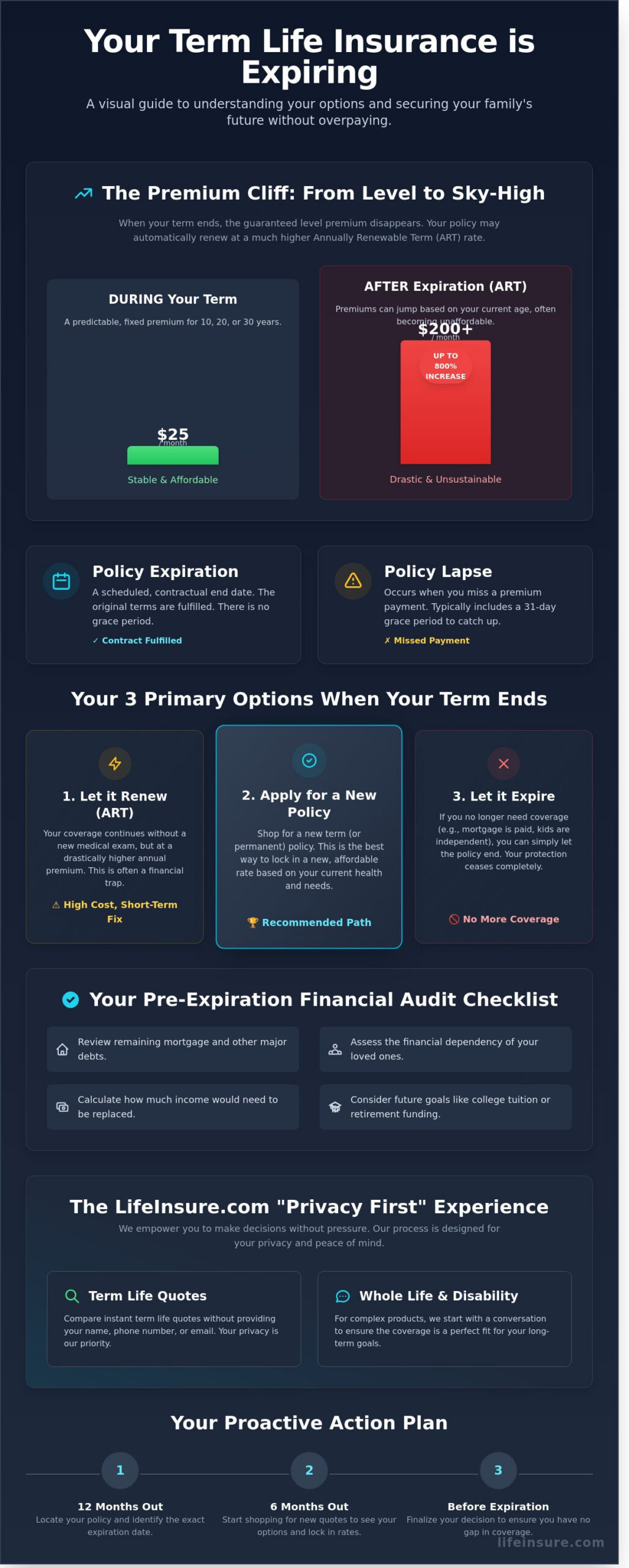

Consumer Advice for Buying 2026 Life Insurance
Table of Contents
Nearly 24 million Americans get medical insurance through the ACA federal and state marketplaces. About 154 million working-age grownups and their families get protection through the work environment, which stays the backbone of the nation's health insurance coverage system. KFF reported trends in company health insurance advantages based on a study of 1,862 nonfederal public and private companies.
The 6% rise in household health insurance coverage this year is slightly less than the 7% hikes in 2023 and 2024. Over the past five years, the cost for a household medical insurance plan leapt by 26%. Employers mentioned prescription drug costs as one factor driving insurance costs greater recently.
About 43% of companies with 5,000 or more workers covered glucagon-like peptide 1, or GLP-1, medications for weight-loss. And most of those companies said covering these weight-loss medications had a "considerable" effect on the medical insurance strategy prescription drug spending. Smaller business were less most likely to cover these weight-loss medications, the study stated.
Insurance in Laguna Beach CA
In addition to prescription drug costs, business with 200 or more workers cited other factors behind higher insurance coverage costs, which rise when investing in medical care increases. The study stated 30% of employers called chronic illness, 26% mentioned higher usage of services and 22% stated health center costs sped up the expense of health insurance coverage.
Insurance in Laguna Beach CAThe average deductible was $1,886, which implies customers need to pay that much before a lot of protection kicks in. Deductibles have actually leapt 17% given that 2020, the study stated.
Consumer Advice for Selecting 2026 Medicare Insurance
About two in 3 business need employees make a copayment when visiting a primary-care doctor. The average copay was $27 for a medical care physician and $45 for a professional. And about 1 in 5 business needed employees to pay a percentage of the bill. Rae stated there is a "significant quantity of variation across companies" so employees may see strategies that are far various from the averages defined in KFF's survey.
The ACA modifications might create modest additional cost savings or increase primary deficits by, depending on the design. To lower health care expenses, the strategy would: In current months, the Trump Administration has signed several agreements with pharmaceutical business where they accept set specific drug rates at the low cost used in some other nations, generally for Medicaid.
The plan calls for enabling more pharmaceuticals to be offered over-the-counter to consumers, rather than needing a prescription. This proposal would likely minimize premiums and federal aids in part by making these drug purchases fully out-of-pocket (insurance coverage does not normally cover non-prescription drugs) and by reducing doctor's visits related to getting prescriptions.
The Trump Great Health care Plan calls for moneying Cost-Sharing Reductions (CSRs) under the ACA. Financing CSRs would renew payments to medical insurance business to cover their expense, ending "silver loading" and decreasing gross premiums and as an outcome premium subsidies for intend on the ACA exchanges.: PBMs are intermediaries that work out drug prices with makers and pharmacies. Additionally, it would need all insurers to post clearer information, consisting of "plain English" declarations on rates and coverage, business earnings and claims paid, and tallies of rejected claims, to name a few things. Providers and insurers would also be needed to react clearly to concerns about rates. This extra cost openness might modestly reduce total health care expenses. Taken together, we approximate these changes are most likely to save about $50 billion though the real cost savings will depend on information.
The ACA changes might generate modest extra cost savings or increase primary deficits by, depending on the style. To lower health care costs, the plan would: In recent months, the Trump Administration has signed numerous arrangements with pharmaceutical companies where they accept set certain drug rates at the low rate used in some other nations, typically for Medicaid.
Exploring IUL Policies for Retirement
The strategy calls for allowing more pharmaceuticals to be available non-prescription to consumers, instead of requiring a prescription. This proposal would likely lower premiums and federal aids in part by making these drug purchases totally out-of-pocket (insurance does not usually cover over-the-counter drugs) and by reducing doctor's gos to related to getting prescriptions.
The Trump Great Health care Strategy requires funding Cost-Sharing Reductions (CSRs) under the ACA. Funding CSRs would restore payments to health insurance business to cover their cost, ending "silver loading" and decreasing gross premiums and as an outcome premium aids for plans on the ACA exchanges.: PBMs are intermediaries that negotiate drug prices with manufacturers and pharmacies. Additionally, it would require all insurers to post clearer information, consisting of "plain English" declarations on rates and coverage, business earnings and claims paid, and tallies of declined claims, to name a few things. Companies and insurance providers would likewise be required to respond plainly to concerns about rates. This extra rate transparency might modestly decrease overall health care costs. Taken together, we approximate these changes are most likely to save about $50 billion though the real cost savings will depend on details.

Latest Posts

Reviewing 2026 Term Life Insurance Premiums for Families
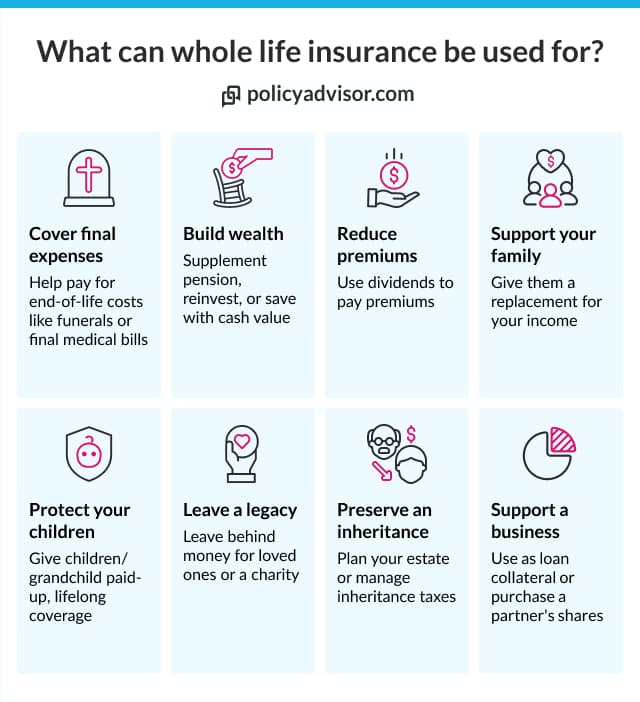
The Mechanics of Whole Life Coverage

Best IUL Plans for Retirement